Free casino demos Canada can be useful for learning a game’s controls, pace and basic rules without immediately risking money. They are most valuable, however, when treated as a short practice exercise rather than a preview of likely winnings. For readers assessing the tools available around the lussurio online casino experience, the key questions concern limits, breaks, self-exclusion and personal tracking. These controls can create useful boundaries, but they do not remove the risks of gambling or guarantee that play will remain affordable.
What a demo can—and cannot—tell you
A free demo can help you understand how a slot, table game or live-style title operates. You may be able to see how bets are selected, where the rules are displayed, how quickly rounds progress and whether the interface is comfortable on a phone or computer. This is particularly useful for unfamiliar formats, where confusion about paylines, side bets or bonus rounds could otherwise lead to rushed decisions.
Practice play does not establish that a particular game is favourable, predictable or suitable for real-money gambling. A short session cannot verify the long-term return to player, volatility or frequency of large wins. Results in a demo should therefore not be used as evidence that real play will produce similar outcomes. Random outcomes remain random, and entertainment value should not be confused with financial value.
Use the session to ask practical questions instead. Did you feel pressure to continue after an unsuccessful round? Were you tempted to increase the stake to make the game more exciting? Did the speed make it difficult to notice how long you had been playing? These reactions are useful information. If the experience creates urgency or frustration, stopping before adding money is a sensible decision, regardless of how entertaining the game appears.
Which controls are worth setting before play?
Responsible gambling tools are strongest when they are chosen before an emotional decision occurs. The available information describes several controls, including deposit limits, wagering limits, loss limits, time or session limits, reality checks, cooling-off periods and self-exclusion. Their names may sound similar, but they address different behaviours. A deposit limit concerns money added, while a loss limit concerns the amount lost. A time limit focuses on duration rather than spending.
Start with a realistic entertainment budget that does not affect rent, food, debt payments or essential savings. Then decide how often gambling could fit within that budget. A weekly or monthly amount may be easier to monitor than an unstructured rule such as “only a little”. If a platform permits separate controls, consider setting both a money boundary and a time boundary. A limit that is difficult to change immediately can provide more protection than one that can be raised during a stressful session.
Reality checks can interrupt automatic play by reminding you how long a session has lasted. They are useful because online games can remove ordinary stopping cues, especially when rounds are short and continuous. A cooling-off period may be appropriate after an unusually intense session, while self-exclusion is the more decisive option when gambling is becoming difficult to control. Before relying on any setting, read how it is activated, when it takes effect and whether support review is required.
How should players test a limit in practice?

A control is only helpful if it matches the behaviour it is intended to manage. Suppose the concern is spending: a deposit limit may be relevant, but it may not address funds already in the account or money moved between accounts. If the concern is time, a session reminder or time limit may be more suitable. If the concern is chasing losses, a loss limit and a break from gambling may be more appropriate than simply lowering an individual stake.
Test the process with a written plan rather than changing settings repeatedly. Record the intended budget, the maximum session length and the point at which you will stop. During a demo, practise ending the session when the planned time expires. This builds a stopping habit without the added pressure of real-money results. Once money is involved, do not treat an unused portion of a limit as permission to keep playing; it is a ceiling, not a target.
It is also worth checking whether the control covers every relevant activity on the account and whether promotional play has different conditions. The available material indicates that bonus participation, account functions and verification may sit alongside responsible-gambling settings, but the precise operation of each tool should be confirmed in the current account terms or with support. For broader Canadian information about safer gambling, the Responsible Gambling Council’s public resources offer independent educational context.
What limitations should Canadian readers consider?
Responsible gambling controls are not a substitute for checking whether an operator is appropriate for your jurisdiction. The available information describes an offshore service rather than an operator registered with iGaming Ontario, and it identifies Curaçao licensing details. That distinction matters because registration, oversight, complaint routes and consumer protections can differ between provincial systems and offshore arrangements. Geography alone does not establish that a service is licensed or available to every Canadian resident.
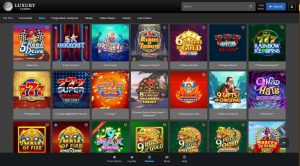
Account and payment reviews can also affect the practical experience. The published information refers to identity checks, possible requests for proof of address and payment-ownership documents, and reviews that may delay withdrawals. These issues are not responsible-gambling tools themselves, but they can increase stress when money is involved. Avoid depositing funds that may be needed soon, and understand the applicable verification and withdrawal conditions before treating an account balance as accessible cash.
Currency can create another boundary problem. A display in Canadian dollars may make budgeting easier, but it does not remove the need to monitor the actual amount leaving your bank or payment account. Fees, exchange-rate differences and method-specific thresholds can affect the final cost. Keep gambling money separate from household funds where possible, and review account statements rather than relying only on an on-screen balance.
When is stopping the better choice?
A limit should not be viewed as a challenge to approach. If you repeatedly raise it, borrow money, hide gambling activity, or continue after deciding to stop, the safer response is to pause rather than refine the settings again. Chasing losses is especially risky because it turns a previous result into a reason for another wager. No game outcome can repay a loss on demand, and increasing stakes generally increases exposure rather than improving control.
Use a cooling-off period when you notice warning signs such as irritability after stopping, checking games throughout the day, neglecting responsibilities, or gambling to escape stress. During the break, remove saved payment details, avoid gambling-related messages and tell someone you trust what you are doing. A self-exclusion request may be more suitable if temporary breaks repeatedly fail or if gambling is affecting relationships, work, sleep or finances.
Support should be considered before a crisis develops. A trusted person, a health professional or a recognised gambling-support service can help create a practical plan. If gambling is connected with severe distress or thoughts of self-harm, seek urgent help through local emergency services or a crisis service. The most useful decision is not always choosing a stronger limit; sometimes it is choosing not to play and making access harder.
Questions about demos and safer play
Can a free demo prove that a game is fair?
No. A demo may show the rules and interface, but a brief session cannot establish long-term return, volatility or fairness. Treat it as an orientation tool only. Check the operator’s published information and applicable terms, and do not use demo results to predict real-money outcomes or justify a larger budget.
Should I set limits before trying a demo?
Yes, especially if the demo is connected to an account that can later be funded. Decide how much time you will spend and what would make you stop. Practising that boundary in free play can reveal whether the game encourages rushed or extended sessions before money is added.
When should I use self-exclusion instead of a limit?
Self-exclusion is worth considering when you cannot keep to limits, repeatedly chase losses, or feel unable to stop. It is a restriction on access rather than a smaller spending target. Read the current procedure carefully and seek support if gambling is affecting your finances, health, work or relationships.